
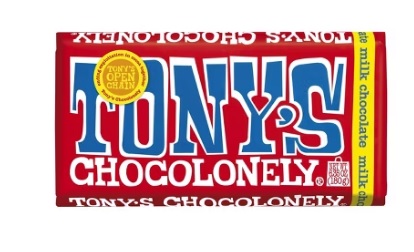
I recently bought a chocolate bar from the local grocery store and as I was enjoying it, saw that it had a full explanation on the wrapper as to why the chocolate company was ethical and how buying this brand would make a positive impact. It was a good marketing strategy. It made me feel some positive emotions towards my purchase. This particular candy company really seemed to help the people on the agriculture end of the chocolate chain. It was good to know that the company cared about their impact.
It made me wonder if there was more to the story with chocolate. There is.
Can farmer livelihoods be improved in the cocoa industry? Apparently it can if the company buys its cocoa beans directly from the local farmer.
Despite decades of reforms that have been promised, the cocoa supply chain is plagued with human rights and environmental injustices.
Some of the ethical chocolate companies have discovered that the local farmers who produce cocoa beans make a pittance for their harvest. The only way to reward their hard work is to buy the cocoa from them directly. But it’s physically impossible if the company is in the northern hemisphere.
As far as human rights and environmental issues, farming families in Africa have been subsisting on less than $1.00 a day. Children have been performing forced labor and toxic sprays are being used on the cocoa crops. Huge areas of tropical forests have been clearcut to make room for more cocoa plants.
About 25 years ago, chocolate processors and manufacturers what is called the World Cocoa Foundation. This foundation was to lead the charge toward a fair, sustainable cocoa sector. But have things changed? Yes and no.
According to Cocoa Barometer, issued by the Voice Network, deforestation and child labor are still issues in the chocolate industry. And a majority of west African farmers still earn below a living income.
And in 2021, a lawsuit was brought in the US by eight children claiming they were used as slave labor on cocoa plantations. Even some of the “ethical” chocolate companies were brought into that lawsuit. The lawsuit was later dropped because the Supreme Court ruled that the companies could not be sued.
The average price of cocoa has been $2400 a ton for 50 years! Chocolate bars have gotten MORE expensive, but the cocoa farmers have continued to be paid the same.
The quality of the chocolate bars has gotten WORSE. In recent consumer reports, many popular dark chocolates have found to have high levels of lead or cadmium. These are metals linked to health issues.
One train of thought about a solution is to stop trying to change the cocoa farmer and put more effort into the system he is in. Spend time focusing on the governments and multinationals and how the laws there may change to benefit the farmer.
Very complex issue, but worth thinking about.